

HOW TO SUCCEED WITH YOUR WESTIN CAM IN COLDER SALTWATER
Fishing cold, salty water is all about location, clarity, depth, and rigging. Before you start, answer a few quick questions:
- Where will you fish? (harbours, points, rips, wrecks)
- How deep?
- How clear is the water at each spot?
- What species are you targeting?
- From shore or from a boat? (your set-up will differ)
Try to pick spots where you can fish the camera effortlessly - steady current, manageable depth, and minimal snags.
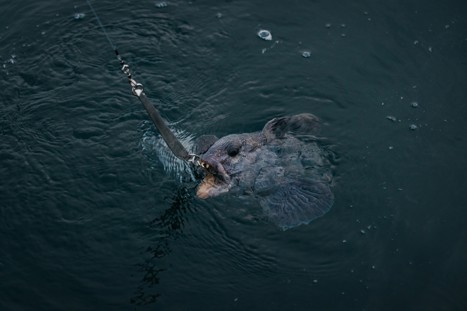
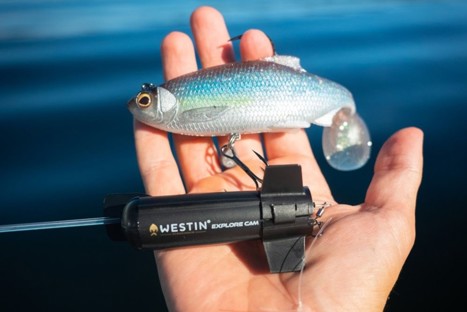
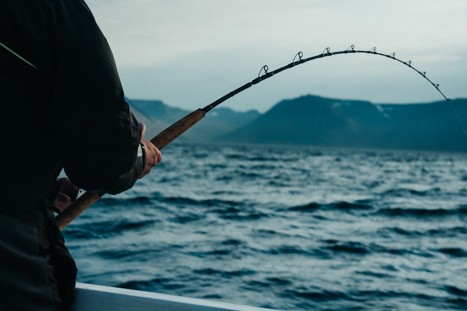
The spot: what to consider
Jigging spots
- Choose areas that aren’t too deep - ideally ≤ 100–150 ft - to maximise natural light for better footage.
- Avoid heavy snag fields (tight wrecks/reefs) to reduce lost tackle.
- Use a weaker leader from the camera to the lure than your main line so a snag breaks at the lure, not at the camera.
Example: 75 lb mainline → 50–60 lb leader from Westin Cam to lure.
Shallow casting spots
For fish feeding near the surface (e.g., striped bass, bluefish, pollock), use a shorter leader between the camera and lure for better casting distance and control. Keep presentations quiet and natural.
Deep casting / heavy jigs
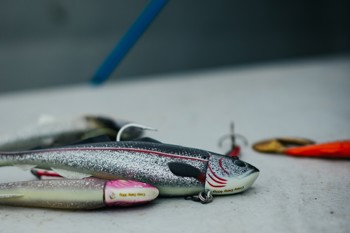
Throwing heavy paddletails or metal jigs for halibut or deeper tuna? You can run the camera without the Y-Fin stabiliser to reduce drag and keep the jig tracking correctly.
Depth and light
In very deep water, available light drops fast. Without added light, you may only see shapes or the fish near the surface. Plan filming for midday, clear water, and shallower structure when possible. If you add external light, mount it so it doesn’t spook fish or alter lure action (and check local regulations).
Species and leaders
Toothy fish (bluefish, king mackerel, etc.)
If toothy fish are common, run a short internal wire rig through the camera tube:
- Crimp swivels on both ends, cover with heat-shrink for a clean, snag-free finish.
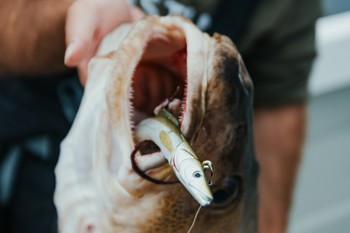
- This helps prevent bite-offs if a fish hits the camera itself.
Non-toothy targets (halibut, cod, tuna, etc.)
- A fluorocarbon leader under 1.0 mm works well (e.g., 0.70–0.95 mm ≈ ~60–100 lb depending on brand).
- Crimp a swivel on each side and use a slightly lighter leader from the camera to the lure than your main line so you can recover the camera if the lure snags.
- For US readers: 1.0 mm ≈ 0.039 in. Examples: 0.95 mm ≈ 0.037 in; 0.80 mm ≈ 0.0315 in.
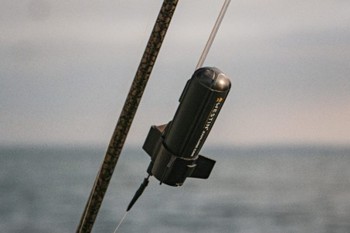
Land vs. boat: tackle choices
- Boat (vertical/drop fishing):
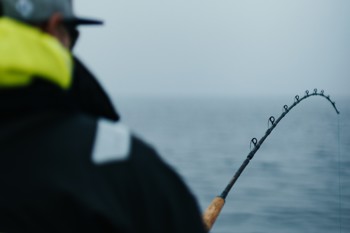
A conventional reel gives better line control and direct sensitivity for vertical jigging. Run braid mainline unless it’s extremely rocky; braid transmits taps and keeps scope down.
- Shore (casting):
A spinning outfit usually casts farther and avoids backlashes. In very shallow, rocky areas, monofilament can be more forgiving than braid if you nick structure.
Quick rigging tips
- Keep the system streamlined - fewer knots/hardware near the lure = more natural action.
- Rinse the camera with fresh water after salt use and check lens/ports for spots.
- Review footage between moves to see bait presence, followers, and short strikes.
- Remember: Westin Cam records to micro SD for playback on your phone/computer - there’s no live view underwater.
Simple Westin Cam rig (shore/boat casting)
Main Line (braid)
│
├──▶ Barrel Swivel
│
├──▶ Westin Cam (line-through)
│
├──▶ Leader to Lure (slightly lighter than main line)
│ (e.g., 50–60 lb fluoro; shorter for shallow casting)
│
└──▶ Lure (paddletail / metal jig / plug)
Toothy option: Replace the section through the camera with a short wire insert (swivel–crimp–wire–crimp–swivel) covered in heat-shrink, then continue with fluoro to the lure.
Heavy/deep jigs: You can remove the Y-Fin to reduce drag and keep the jig’s track true.