

CHOOSING THE BEST UNDERWATER CAM FOR FRESHWATER VS SALTWATER
If you’re interested in recording your catches, observing fish behaviour, or scouting locations, being aware of these environmental differences is critical. Freshwater and saltwater are two different beasts - and if your camera can’t handle the one you’re in, all you’re filming is your own frustration.
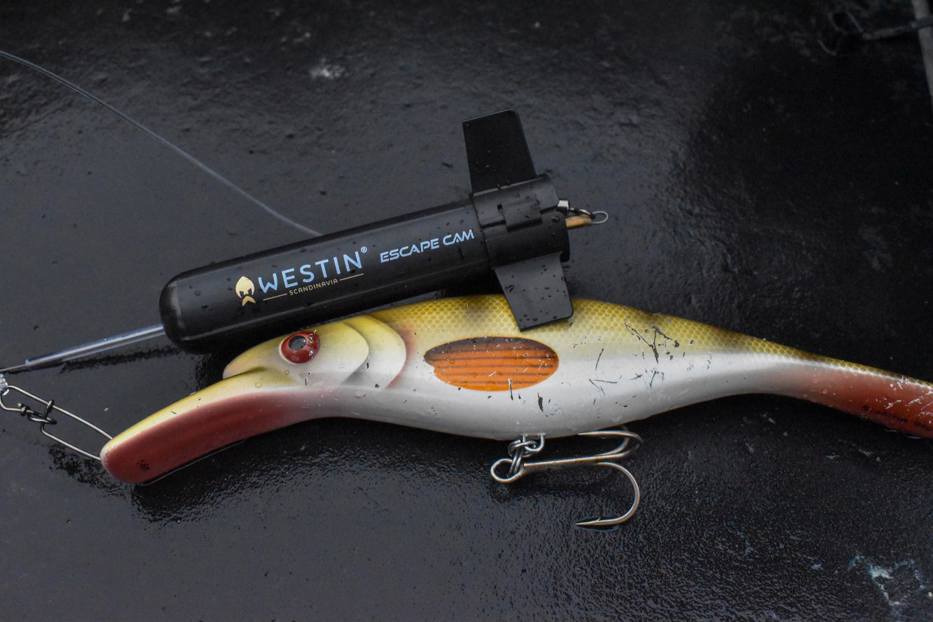
Freshwater fishing cameras
What to look for
When fishing freshwater lakes, rivers, or ponds, your camera will be up against specific conditions - typically clearer water, variable lighting, and potentially dense vegetation. Here's exactly what to keep in mind:
Clarity and resolution
Freshwater can look clear from the surface - but once you drop a camera, you’ll see real quick how much silt, pollen, and tannins are hanging around. In small creeks or weedy lakes, your footage might only be usable for a couple of feet in front of the lens. Still, these compact cameras can pick up more than you’d think in the right conditions - especially in spring-fed or stillwater spots. Don’t go chasing cinema-quality video underwater in a lake. After all, you're not trying to count scales - you’re trying to see movement, shape, and behaviour. Think of it more like scouting footage: you’re checking if anything’s moving near your bait, how your lure’s tracking, or whether fish are holding on a certain patch of structure. Unless you’re filming a nature documentary, 1080p is the sweet spot between clarity and file size, especially when you're shooting short clips on a camera that’s built to be castable.
Anything lower - like 480p or 360p - is just asking for headaches. It’ll show shapes and shadows, but good luck spotting how a fish reacts to your bait or figuring out if that was a stump or a tail fin. It all turns into mush once there’s some glare or silt in the water. For content creators or just guys filming their trips, 1080p is sharp enough to share clips on YouTube, Instagram, or TikTok without looking grainy, but it also won’t eat up all your storage or drag down your editing software. You can slow it down to show a strike frame-by-frame, freeze it to break down fish behaviour, or crop it in post without wrecking the quality.
Low-light performance
Don’t overlook low-light performance. Even clear lakes have darker, murkier sections - under docks, lily pads, or thick grass mats. Look for a camera that’s known to perform well in dim or stained conditions, especially if it offers automatic white balance or image tuning designed for how light works in underwater environments. That makes a big difference when you’re filming during dawn, dusk, or in shaded cover where fish like to hold.
Lens angle and field of view
If you're in tight freshwater conditions - like fishing around vegetation or structure - a narrower lens angle (70-90 degrees) helps focus on specific areas without distorted wide-angle shots. For open freshwater lakes, a wider field of view (120-150 degrees) will help cover more ground and track fish movements across broader areas.
Battery life and power source
Freshwater fishing trips can easily extend past several hours. Cameras with interchangeable batteries or the ability to connect to an external battery pack are ideal.
Durability and waterproofing
While freshwater is gentler on gear than saltwater, don't underestimate potential corrosion from minerals or sediment build-up. Cameras rated IP68 or higher are recommended. Regular maintenance - rinsing off sand and mud - can keep even mid-range gear lasting several seasons.
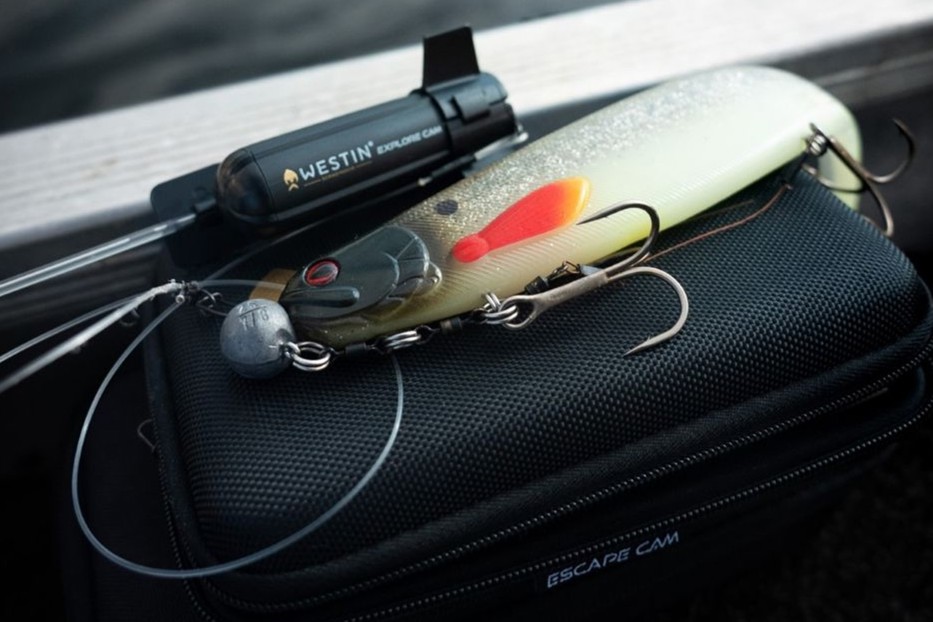
Saltwater fishing cameras
Key considerations
Ocean conditions can be harsh - salt, corrosion, murkiness, strong currents, and unpredictable wildlife. Saltwater fishing demands a camera built tougher, with specific features tailored to withstand the environment:
Corrosion resistance and build quality
Saltwater's highly corrosive nature means you'll need marine-grade materials. Stainless steel hardware, sealed ports, and anti-corrosion coatings are non-negotiable features here. Don’t skimp - invest in a rugged, fully-sealed body or risk your camera becoming a pricey paperweight.
Visibility and lighting solutions
Ocean waters are notoriously variable - crystal clear one day, churned up and murky the next. Good saltwater cameras feature integrated LED lights or adapt easily to external underwater lights. Look for adjustable brightness and wide beam coverage to cut through murkiness, especially if you fish in deeper waters or near structure.
Depth rating
Saltwater fishing often means deeper dives. Make sure your camera has a good depth rating. Even if you're fishing shallow reefs or flats, using a camera rated well beyond that - like the Escape Cam’s 650 ft capacity - gives you peace of mind that it’s built tough and reliable for any scenario you might encounter.
Stabilisation and current resistance
Ever tried filming underwater in a rip current? Yeah, it's tough. Cameras with built-in stabilisation or easy compatibility with weighted mounts and stabilisers can save your footage from looking like a shaky mess. You’ll thank yourself later when reviewing clear, stable video.
Battery life and remote operation
Similar to freshwater cameras, good battery life is critical offshore. But with saltwater, you might also consider remote viewing options. Cameras with Wi-Fi or Bluetooth connectivity let you watch your feed live from the boat, which is incredibly helpful when assessing fish presence or behaviour at depth.
Size and weight considerations
Balancing stealth with sturdiness
There’s a tradeoff between “stealth” and “durability.” A camera that’s overbuilt like a tank might survive anything. But you drop it into a quiet, gin-clear creek, and it’s like dropping a cinderblock into a glass of water. Splash, thud, fish gone. On the flip side, ultra-lightweight gear can disappear into the water like a falling leaf - but if you’re not careful, it can also disappear from your gear bag when you forget they’re clipped to your tackle pouch. That said, in clearer, finesse-style freshwater setups, stealth always wins. (No wires.) Strip off anything unnecessary, shorten the line between your lure and the camera, and make sure the camera doesn’t hum, blink, or flash like a disco ball. That includes checking for battery rattle or anything loose. Fish pick up on that stuff.
The case for compact underwater cameras
When we're out on the water, simplicity often wins the day. Bulky gear can turn a relaxing trip into a headache - so keeping your underwater camera compact and lightweight is something you'll appreciate, especially if you fish from kayaks, smaller boats, or if you're casting repeatedly. Let's take a look at what anglers should realistically expect from these smaller-sized underwater fishing cameras and some practical advice on getting the best footage out of them.
Size and weight
Smaller, lightweight underwater cameras are generally easier to handle during long fishing sessions. Many castable underwater cameras weigh between 2.5 and 3.5 ounces, which may not sound like a lot, but it can throw off the balance of lighter setups. For context, some of the best quality underwater fishing cameras, like the Westin Explore Cam and Escape Cam, weigh only 28 g/0.98 oz and 40 g/1.4 oz - light enough to cast with finesse setups but sturdy enough to stay stable underwater. That’s barely noticeable once rigged up.
When fishing delicate techniques for trout or panfish, minimizing interference with your lure’s natural action is critical. A lighter, discreet camera means fewer spooked fish and more natural strikes, especially in clear freshwater settings. Saltwater anglers chasing wary species in shallow flats or highly pressured inshore areas will also benefit from smaller cameras. Reducing unnatural splash and water displacement on entry can significantly improve your chances of documenting fish behaviour authentically, rather than just footage of fleeing fish.
Practical recording times and how to maximize them
Now, compact underwater cameras typically offer between one and two hours of recording per charge. While it may seem limited at first, here's how to manage to shorter battery life practically:
- Strategic Use: Rather than continuous filming, use your camera strategically - deploy it when you reach promising structure, or when bites start coming consistently. Don’t waste precious recording minutes on unproductive water.
- Multiple Short Clips: Instead of long recording sessions, filming in bursts of 10 to 15 minutes helps conserve battery life. Short clips also make footage easier to review later without wading through hours of uneventful video.
- Extra Batteries: Keep a spare battery charged and ready. A quick swap during a lull in action can double your underwater filming capability during the trip.
In freshwater, this short-burst strategy is perfect for capturing feeding frenzies, bedding bass behaviour, or trout holding patterns behind cover. In saltwater, it works well to quickly document passing schools or observing reef inhabitants at specific tide or current shifts.
Adapting to different lures and techniques
One of the main challenges anglers face is ensuring the camera doesn't negatively impact lure action. Adaptability becomes crucial. Compact underwater cameras designed with add-ons or modular mounts are valuable because they allow simple integration with various lures or setups. Here are some tips for effectively pairing small underwater cameras with different lure types:
- Crankbaits & Jerkbaits (Freshwater): Use small stabilising attachments (like dive lips or fins). These help keep the camera stable and positioned correctly without drastically altering bait action.
- Soft Plastics & Jigs (Both environments): For finesse presentations, avoid rigid mounts or large fins. Opt for minimalistic attachments or mounts that mimic natural jig movements to maintain subtlety.
- Trolling Setups (Saltwater & Large Freshwater Lakes): When trolling, attach your camera slightly ahead of your lure on the leader line, not directly to it. This arrangement lets your lure maintain its natural swimming action while your camera captures nearby strikes clearly.
The ability to easily switch mounts or attachments depending on the lure or technique makes these smaller underwater cameras particularly versatile across environments.
Pressure and Depth Limits
Compact underwater cameras may appear delicate, but some are surprisingly resilient. Even lightweight video recording devices can handle impressive water pressure, if they're designed to do so. For example, the Westin Escape Cam is depth-rated to 650 feet - far beyond what most anglers will ever need, whether you're scouting deep reservoirs or offshore wrecks. While deep-water pressure resistance may seem unnecessary for freshwater, that kind of depth rating isn’t just about diving deep - it’s about durability and peace of mind.
A camera rated for 650 feet isn’t working anywhere near its limit when you're fishing 20 or 50 feet down, which means it’s far less likely to leak, fog up, or fail due to pressure changes. Even rough handling, sudden drops, or fast descents won’t push it past its capabilities. In short, it’s built to survive the unexpected, whether that’s a snag in current, a rough day on the boat, or just years of hard use.
If your camera is rated for depths of several hundred feet, it's more than sufficient for most freshwater environments, such as deep reservoirs, natural lakes, or deep rivers. Obviously, for saltwater applications - reef fishing, wreck exploration, or offshore trolling - the comfort of knowing your camera won’t fail at typical offshore depths is reassuring.
What kind of footage you’ll actually get
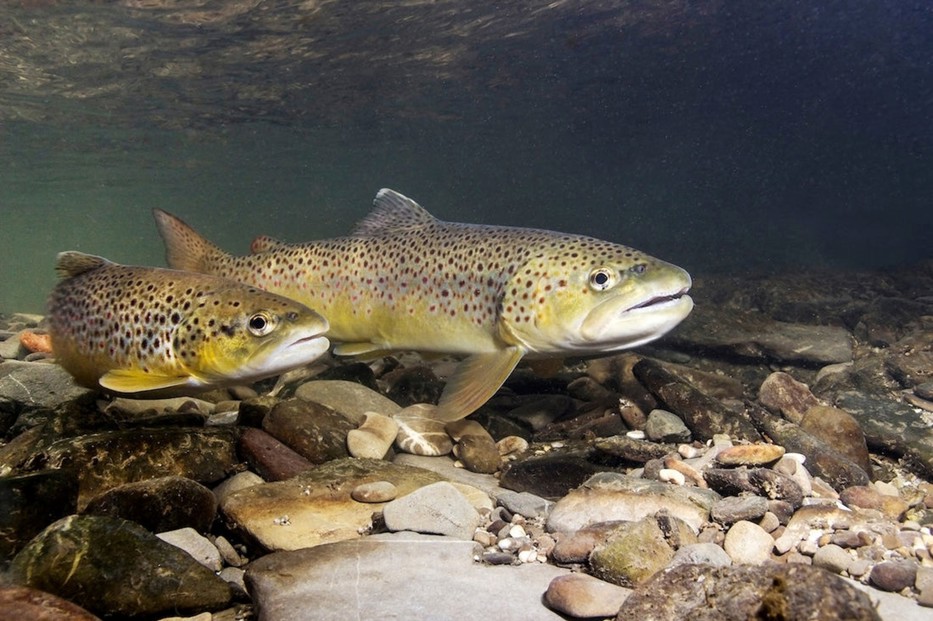
When good quality underwater cams are used right, they give you sharp, steady footage that’s perfect for breaking down fish behaviour, scouting structure, or clipping together highlights for YouTube or socials. Of course, when you drop or cast one of these cameras beneath the waves, you’re not always looking to watch a fish hit the bait in ultra-slo-mo. Sometimes, you’re just looking to see what's down there.Structure, baitfish, the way your lure’s swimming, or why that one area just went dead after lunch. That’s the kind of footage that helps you fish better. These clips give you answers to questions you didn’t even know you were asking. Like:
- Am I dragging that jig right, or is it helicoptering like a weirdo?
- Are fish actually seeing my bait in that murky mess?
- Is there a thermocline screwing up the bite down there?
Even if you're pulling up footage and it’s just 80 seconds of leaves and mud - don’t delete it yet. Sometimes just spotting a single fish lurking behind a log gives you enough reason to work that spot for another hour. Other times, it lets you know in advance that you would be wasting your time there. And then there are the magic clips. The ones where a tuna slashes in from the edge of the frame. Where a pike ghosts out of cover like a submarine. Where your lure gets followed, bumped, flared on - and hammered in full view. These aren’t rare flukes - they happen more often than you'd think when your camera is set up well and conditions line up.
With solid 1080p footage running at 60 fps, you’re not just collecting grainy shadows - you’re capturing real moments worth slowing down, replaying, and sharing. You can pull stills, make breakdown videos, or string together entire sequences of fish behaviour most folks never get to see. Some of the best fishing content out there doesn’t come from big-budget boats - it comes from everyday anglers running compact cams smartly.
You’ll start to notice small things, too - how bait reacts before a predator hits, how fish approach and reject a lure, or even how your retrieve speed changes how fish commit. That’s stuff you can’t learn any other way.
Pro Tip: Try to review your footage on-site if you can: just a quick scan on your phone or tablet while you're rigging up again.
Differences you’ll notice in freshwater vs saltwater footage
Here’s something that catches a lot of anglers off guard: How different the footage can look between freshwater and saltwater, even with the same camera.
Freshwater
You’ll usually get clearer shots, especially if you’re fishing spring-fed lakes, clear rivers, or backwoods ponds with little current. (Though saltwater flats in the tropics can rival or exceed freshwater clarity.) But that clarity can turn against you - fish get spooky. If they see a huge chunk of plastic with a red light blinking on it, a lot of them will be gone.
- Keep your camera low-profile. In clear freshwater - especially smaller lakes, creeks, or rivers - fish are quick to spook if they spot anything that looks out of place. A compact, non-reflective camera rig with minimal hardware helps it blend in and lets you capture more natural fish behaviour without sending everything scattering.
- Avoid casting it too close to your target zone - drop it next to where you think the fish are, not right on their head. Even the softest splash can push fish off structure or out from cover, especially in shallow or heavily pressured water. Let the current, your retrieve, or a slow sink bring the camera into position.
- Muddy days or after a rain? Cut your expectations in half. Runoff stirs up silt, debris, and organic matter, turning otherwise fishable water into a hazy mess on camera. You can still get very useful footage - shapes, movement, lure tracking - but don’t expect detail. These are good days to focus on short-range scouting or lure action.
Saltwater
Saltwater filming is unpredictable in the best way. One day you’re on shallow flats with crystal-clear visibility, the next you’re in deeper, churned-up water where conditions shift by the minute. Everything moves - bait, line, camera - so getting stable, usable footage takes more effort. Light and colour behave differently in the ocean. But when it all comes together, the offshore and inshore action is hard to beat.
- Use stabilisation fins or weighted lips if your camera supports them - especially in current or choppy conditions. They help keep your footage level and prevent the camera from spinning or drifting sideways, which can make your video unwatchable. Without them, even a decent cast can turn into five minutes of chaotic blur.
- Don’t expect perfect visibility unless conditions line up just right. Saltwater can shift from clear to cloudy in minutes depending on tide, wind, boat traffic, or a stirred-up bottom. Learn to read the water before dropping your camera, and don’t be surprised if one spot gives crystal-clear footage while anothers not.
- Many saltwater species are less camera-shy than freshwater fish. Predators like jacks, groupers, and smaller snapper are often curious and may swim in to investigate, especially around structure or bait activity. However, not all saltwater fish are bold - snook, permit, and bonefish are notoriously spooky and can bolt at the slightest disturbance. Overall, saltwater often offers more opportunities for close-up footage.
One thing to watch out for in both: bubbles. You’ll never know disappointment until you think you’ve filmed a sick underwater sequence, and it turns out you just caught 5 minutes of your own air bubbles trapped around the lens. Wipe the lens, submerge it slowly, and try again.
Where to mount it, how to cast it, and what rigs work best
Where and how you rig your fishing camera makes all the difference - whether you’re fishing stained water in a backwater slough or trolling over ledge in 80 feet. Even a small shift in how you tie off your leader or where you place your weight can cause the camera to tilt, spin, or pull off-angle.
The goal is to keep the camera steady and aimed where the action is. That usually means:
- Keeping the lure in frame
- Preventing camera roll
- Minimizing unnatural movement caused by line tension or bait drag
Start by figuring out whether you want to film your lure or what’s in front of it. That one choice will determine your entire rig layout. Want to analyze bait presentation? Mount the camera ahead of your lure facing back. Want to capture fish swimming into your spread or chasing from behind? Face it forward, just behind the bait, and use enough leader to avoid scaring the fish.
Pro Tip: Remember that water pressure and motion act differently depending on depth and current. What works in still, shallow water may fall apart when trolling in chop. Test your setup in close quarters - drop it next to the boat, retrieve it slow, and check if the camera tracks straight. A few minutes of dry-run testing saves hours of editing disappointment later.
Once you have your rig balanced and tracking the way it should, the next question is angle: what do you actually want the camera to capture? This is where placement comes into play. A few inches in the wrong direction and you’ll end up filming a whole lot of nothing - or worse, missing the strike entirely. You’ve got two main options when it comes to mounting: ahead of the lure, or trailing behind it. Each one gives you a totally different view of what’s happening underwater, and choosing the right setup depends on what you’re trying to see. Let’s break it down.
Mounting the camera: Above or below the lure?
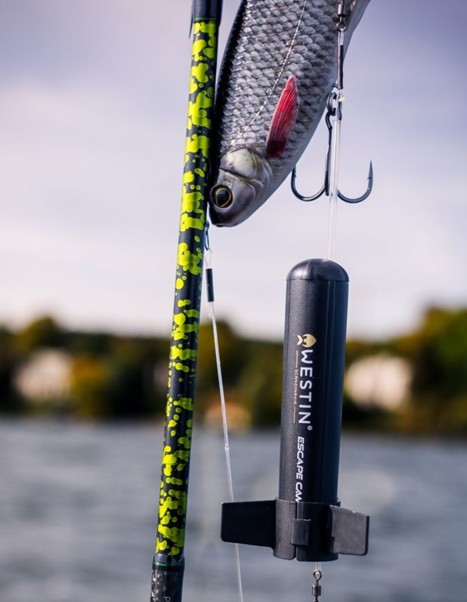
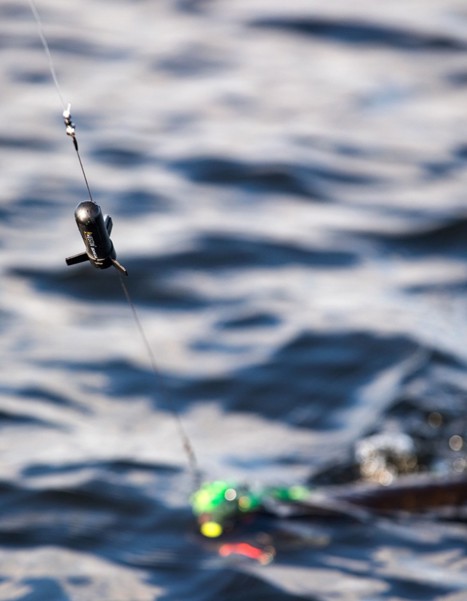
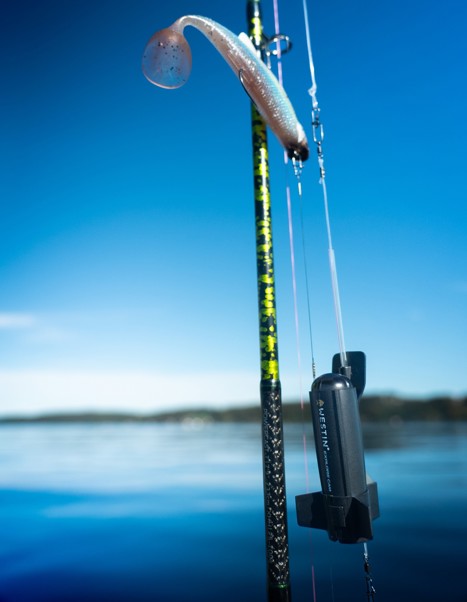
First thing to figure out if you want to set up a fishing lure cam is where the camera goes in relation to the lure. There are basically two camps here:
- Inline, camera ahead of the lure
- Trailing, camera behind the lure
Camera in front (facing back)
This setup gives you a clear shot of your lure’s action and any fish that come in from behind - which is most of them. You rig it on your main line, then tie a short leader to your bait. Keep that leader short enough (about 12 to 18 inches) so the lure stays in frame.
Camera trailing (facing forward)
Not as common, but this works well if you’re trolling or retrieving in a straight line and want to see where you’re going - structure, bottom, schools of bait, etc. Just be aware: the camera might spook fish before the lure gets to them. This works better offshore or in deeper water where visibility’s lower and fish aren’t as easily spooked. Whatever you do, don’t mount it too far from the lure. You’re not going to get wide sweeping cinematic shots - it’s a small lens. Go for tight framing.
Rigs that play well with cameras
You’ll want to keep your rig simple and balanced. A lot of these compact cams have symmetrical designs that keep them from flipping end over end, but the wrong setup can still twist or pull them awkwardly.
Good setups for freshwater:
- Carolina rig: Works well because the camera can sit between the main line and leader. Weight keeps everything steady.
- Jighead with soft plastic: As long as your plastic swims true and isn’t too buoyant, this setup looks great on camera. Especially paddle tails or swimbaits.
- Weightless fluke or Senko: Risky, but you’ll sometimes get amazing footage if you can control the fall and keep it stable.
Good setups for saltwater:
- Trolling rig: Ideal. The camera sees everything coming in from behind - fish chasing, following, flaring up in real time.
- Knocker rig or dropper loop: Keeps the bait vertical below the camera, which can help if you’re filming fish feeding on bottom.
- Popping corks (if surface isn’t your target): Some folks rig the camera below a cork to track underwater activity in shallow water. Not elegant, but it works when fish are staying low but you're casting wide.
Avoid anything too erratic - like big topwaters or heavy blade baits - unless your camera is made to handle all that vibration and drag. Otherwise, you’ll end up with footage that’ll make you seasick just watching it.
Casting tips
If you’re casting with a camera on your line, here’s the trick: cast like you’re throwing something fragile - which you are. Don’t snap-cast like you’re trying to hit the far bank. Smooth motion, slight arc, thumb the spool or control the bail to avoid a hard splashdown.
Also: check how the camera tracks underwater on retrieve. Give it a couple test pulls in the shallows and watch the angle. If it nose-dives or flips, adjust your leader length or attachment point. Don’t guess and hope for the best - 10 seconds of dry-run testing saves you from filming a 3-minute barrel roll.
Interpreting what you’re seeing underwater
Alright, let’s say you’ve done the thing - mounted it right, cast clean, and brought back some actual usable footage. Now what? What the heck are you supposed to be looking for? This is where the camera earns its keep - not in the moment, but when you sit down later and actually watch what’s happening underwater while you fish. Here’s what I’ve found useful, especially when comparing freshwater vs. saltwater scenarios.
In freshwater
You’re usually dealing with structure - logs, weed lines, rock piles - and fish holding tight to it. Pay attention to:
- Lure action: Is it swimming how you think it is? A lot of folks are surprised here. Sometimes your bait’s dragging sideways or tangled and you’d never know otherwise.
- Fish behaviour: Are they following but not biting? Holding in the shade? Suspended off bottom? This tells you whether you need to change colour, speed, or target zone.
- Cover vs. cast direction: Sometimes you’re pulling your lure the wrong way through a spot. Fish might be facing the current and you’re coming in backwards - camera will show you.
It’s also great for figuring out why a promising spot isn’t producing. Maybe the water’s too cold, or fish are there but just inactive. That’s still intel. Better than guessing.
In saltwater
The name of the game here is activity.
- How are baitfish moving? If they’re scattered, panicked, or pushed tightly together, you’re likely right in the middle of the action.
- Current direction: Saltwater fish often set up in the current, not behind structure like in freshwater. If you’re watching fish get blown past your bait without reacting, that’s a rigging problem, not a bite issue.
- Predator response: Inshore species like snook and jacks often investigate your camera before the bait. Don’t let that freak you out. Sometimes that curiosity pass is all it takes to trigger a hit on the next cast.
Use this footage to adjust your presentation. The camera doesn’t lie. It’ll show you if you’re working too fast, dragging bottom, or pulling your bait right past a fish’s nose with no reaction.
Common mistakes to avoid
These are mistakes anglers make with their cameras:
- Too much line between camera and bait. Fish could be hammering your bait and you’d never see it. Keep it tight.
- Filming empty water. Always double-check where your camera’s pointed and where your lure’s running. If they’re not in sync, you’re wasting battery.
- Forgetting to clean the lens. You’d be shocked how easy it is to film half a day with a smudge or bubble ruining everything. Wipe it down before every drop.
- Using it every cast. Don’t overuse it. It’s a tool, not your eyes. Deploy it when you’re trying to learn something, not just for the sake of using it.
Who benefits most from these cameras?
If you like understanding what’s really happening under the surface… if you tweak your techniques and care about improving your approach… then it’s one of the most helpful tools you can carry.
If you fish freshwater lakes and rivers, it’ll help you understand structure and fish position better than any sonar.
If you fish saltwater, especially inshore or near reefs, it’ll give you a visual you can’t get from a top-down chartplotter or depth sounder.
And if you just like capturing clips to share or review later, these little units are easy to toss in your bag and forget until you need ’em.
At the end of the day, the best underwater fishing camera isn’t necessarily the most expensive one - it’s the right one. And if it helps you catch one more fish, solve one more mystery, or answer one more question that’s been bugging you out there… that’s a win.