

BEST FISHING CONDITIONS FOR USING UNDERWATER CAMERAS
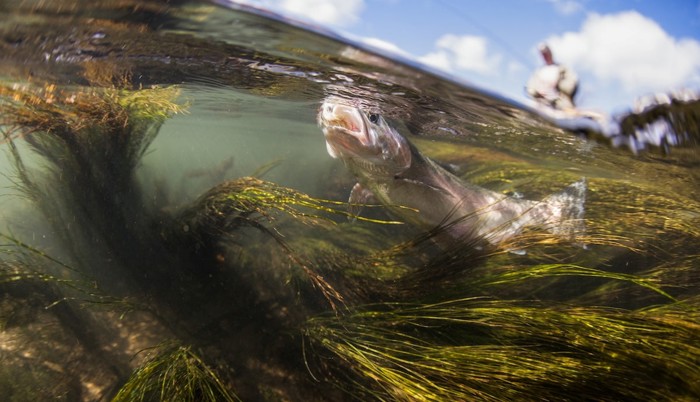
Light, depth and water clarity explained
If you’ve ever dropped a camera into the water and gotten nothing but a murky swirl of brown and bubbles, you already know: conditions can play a big role in the footage you get out of your underwater fishing cam.
There are days when you can see everything - schools of perch nosing around, walleye or zander cruising past, a panfish giving your bait a look like "really?"and then there are days when the screen looks like a lava lamp in a thunderstorm. A lot of what determines whether your footage is usable comes down to three things: light, water clarity, and depth.
Whether you’re flats fishing or ice fishing, dropping the camera from the bow of a boat or rigging it inline with your bait, being aware of how these conditions affect visibility can save you a lot of frustration. It helps you avoid guesswork, make better setup decisions, and get the cleanest, most useful footage your camera can capture in the conditions you’ve got.
Light
Your camera lens needs light just like your eyes do. In shallow, sunlit water - assuming you are using a high quality camera - you can get impressively clear footage. And while in deeper spots or under cloudy skies, a good underwater cam can still capture useful detail, it can take a little more finesse with placement and settings.
- Midday hours usually give you the best natural visibility - whether on the ice or open water.
- Low-light times like early morning, late afternoon, or thick cloud cover can tank your visibility even in clear water.
- Under the ice, even a sunny day filters light weirdly - snowpack or cloudy ice can block it out almost completely.
Some underwater cameras include built-in LEDs or infrared lights, which can help. But artificial light has limits - it reflects off particles and can worsen visibility in silty water. This is especially true with bulkier, general-purpose cameras not designed for fishing. Their wide-angle or unfocused lighting isn’t optimised for the close-range, forward-facing view anglers need. Instead of improving clarity, it can bounce off suspended particles and reduce detail where it matters most. Some fish also react negatively to bright light. Crappie, for example, may avoid or flee from overly bright or flashy setups. However, not all fish respond the same way. Some species seem unbothered - or even attracted - to artificial light. Walleye, known for low-light vision, often continue feeding around illuminated areas at night. In saltwater, species like European sea bass and striped bass may patrol lit zones near docks and piers, using the glow to ambush prey. It ultimately depends on species behaviour, time of day, and how the light is used.
Bottom line: Light helps, but it’s not always just about having more of it. It’s important to know how it plays with your depth and clarity - and having a camera designed to make the most of low-light situations, like the smaller models that don’t rely on oversized rigs to begin with.
Water clarity
In clean, filtered water, you can spot fish from a good distance away, watch them turn and strike, and even identify species. But in stained or silty water, the view gets cut down to varying degrees - and sometimes all you’re seeing is a blurry blob that might be a log… or a fish… or your bait. That said, even in stained or silty water, underwater cams can still be very useful for recording footage and still offer an edge - especially when visibility is good enough to pick up movement or contrast. You might not get a crystal-clear image, but you can still spot shape, motion, or subtle flashes that confirm there’s life down there. In fact, the ability to distinguish between a static object and something actively swimming - even in low clarity - can save you from wasting time on dead zones.
Here’s how clarity tends to shake out:
- Clear Water: Ideal conditions. Whether you’re fishing a deep reservoir, a spring-fed bay, or a tropical flat, clear water gives your camera room to shine - literally and figuratively. You’ll get sharp, detailed views of fish behaviour, bait presentation, and bottom structure.
- Stained Water: Still very usable. In tannic rivers, tidal estuaries, or backwater marshes, you might not see every scale, but with a high-contrast sensor, you’ll still catch fish shape, movement, and general behaviour. These are the kinds of conditions where understanding motion matters more than detail.
- Muddy or Silty Conditions: Visibility can be tricky - but far from useless. Whether you’re in a stirred-up lake, a brackish creek after a tide swing, or a churned-up surf zone, a compact, well-balanced camera like a Westin Explore Camor Escape Cam that stays steady in the water column can still pick up on valuable cues like silhouettes, motion, and approach angles, even when clarity isn’t great.
Pro Tip: After heavy rain or boat traffic, runoff and sediment can cloud the water fast - regardless of where you’re fishing. That clear bay or river mouth from yesterday might be murky today. If you can, give it a day or two to settle - or drop your camera gently to avoid kicking up more silt.
Depth
The deeper you go, the more light you lose. That’s just physics. Water absorbs and scatters light, especially red and orange wavelengths, and that means your camera image gets darker and bluer with depth. General rule of thumb:
- 0–15 ft: Prime territory. Plenty of light, minimal distortion, best for clear, detailed viewing.
- 15–30 ft: Still decent, but image quality starts to taper. You’ll want a quality camera with a good sensor and possibly lights.
- 30+ ft: Things get tricky. Even with LEDs, visibility usually drops. You’re working with shadows, outlines, and best guesses - unless you’ve got a setup like the Escape Cam, which holds steady and still manages to pull in usable shots even below the usual comfort zone.
Note that under ice, depth plays with light in weird ways. Even in relatively shallow lakes, the ice acts like a filter. Fishing 10 feet down under 18 inches of snow-covered ice can feel like fishing in a cave. That’s where cameras that stay stable and don’t overexpose the scene can really make a difference.
Quick tips for better camera conditions
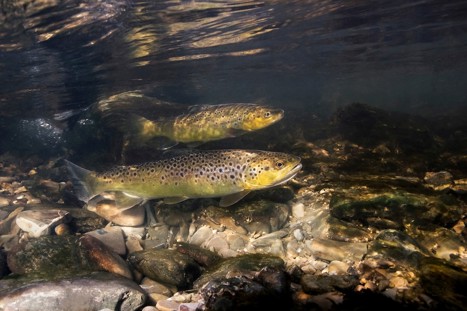
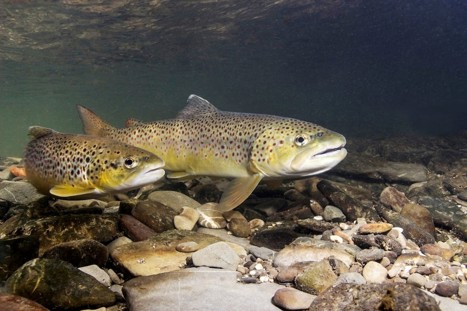
- Use overhead cover when you can. Just like shaving snow off an ice hole, reducing surface glare - whether it’s from sun hitting open water or bouncing off boat decks - can make a big difference. Shade the lens or your screen for a clearer view.
- Aim horizontally in low visibility. You’ll catch silhouettes and movement better looking across the water column than pointing straight down - especially in murky or stirred-up water.
- Let things settle before you drop. Whether it’s drilling, anchoring, or shifting in shallow flats, any disturbance can kick up silt. Give it a minute before deploying the camera.
- Block light sources behind you. Cutting back glare on your screen makes it easier to spot fish movement, especially when contrast is low.
Final thoughts
Using an underwater camera is about understanding what it’s good at - and what it’s not. The right conditions can give you a vivid, up-close look at what’s really happening below the surface. But even in trickier conditions, a thoughtfully designed camera can still give you enough information to be very useful. Every time you drop a camera, you’re picking up little bits of intel: how the water’s changed, how the fish are behaving, whether your jig is doing what you think it’s doing. And even when you’re dealing with dark, murky, or low-light water, the best underwater fishing cameras won’t leave you totally in the dark.